Family · 17 species in the atlas
Fabaceae
The legume family
The legume or pea family: beans, chickpeas, lentils and acacias. The fruit is a pod, and bacteria in root nodules fix nitrogen from the air.
Plantae › Tracheophyta › Magnoliopsida › Fabales › Fabaceae
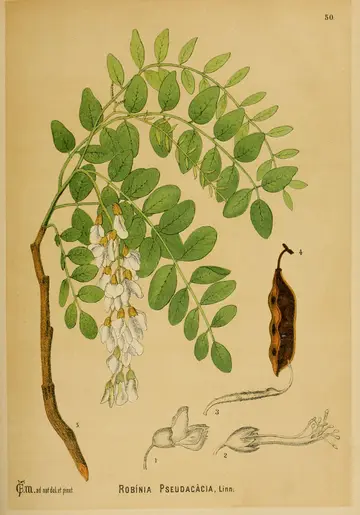
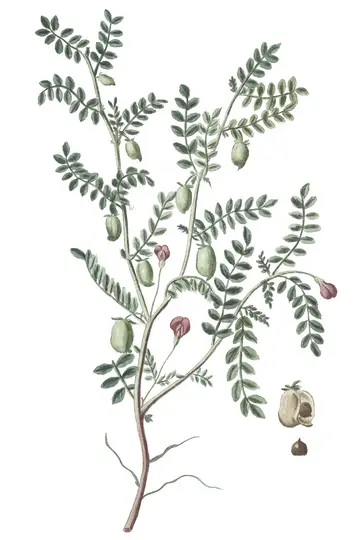
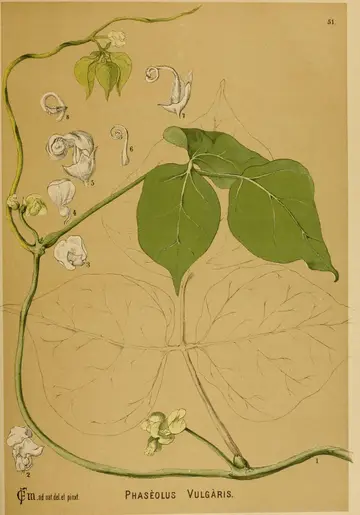
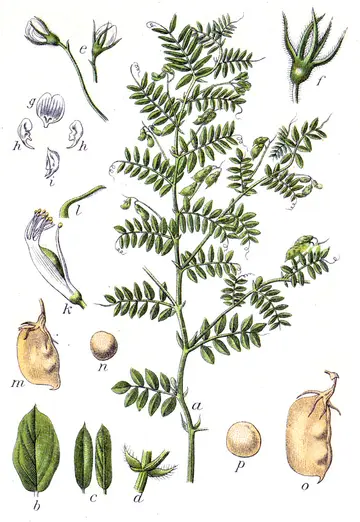
Look-alikes in this family
All pairs →Frequently asked questions
Are Fabaceae and Leguminosae the same?
Yes. Leguminosae is the traditional name of the same family; the International Code of Nomenclature (Art. 18.5) allows either name. Most sources today use Fabaceae.
What is the common name of Fabaceae?
Fabaceae is known as the legume family. Family names end in -aceae and are usually built on the name of one of their genera.
What are the features of Fabaceae?
The legume or pea family: beans, chickpeas, lentils and acacias. The fruit is a pod, and bacteria in root nodules fix nitrogen from the air. Growth forms of its plants in the atlas: 10 herbaceous, 4 tree, 2 climber, 1 shrub.
Which genera of Fabaceae are in the atlas?
Its 17 species in the atlas belong to 16 genera: Acacia (silver wattle); Arachis (peanut); Ceratonia (carob); Cercis (Judas tree); Cicer (chickpea); Glycine (soybean); Lathyrus (pea); Medicago (alfalfa); Phaseolus (common bean); Robinia (black locust); Spartium (spanish broom); Trigonella (fenugreek); Vicia (broad bean, lentil); Vigna (cowpea); Vuralia (Vuralia turcica); Wisteria (Chinese wisteria).
Which plants are in Fabaceae?
17 species are in the atlas: alfalfa, black locust, broad bean, carob, chickpea, Chinese wisteria, common bean, cowpea, fenugreek, Judas tree, lentil, pea, peanut, silver wattle, soybean, spanish broom, Vuralia turcica.
Which order is Fabaceae in?
It is in the order Fabales: Plantae › Tracheophyta › Magnoliopsida › Fabales › Fabaceae.