Description
Form
herbaceous, perennial, evergreen
Height: 28–45 cm
Flower colour
WhitePinkPurpleGreen
Flowering
February–April
Habitat
Leaves
Glossy green, leathery, evergreen, hand-shaped leaves of seven to nine leaflets with toothed edges.
Flowers
Nodding, cup-shaped flowers in groups of one to four on thick stems above the leaves, with yellow stamens. Cultivated varieties may be white, green, pink, maroon, purple or spotted.
Classification
- KingdomPlantae
- PhylumTracheophyta
- ClassMagnoliopsida
- OrderRanunculales
- FamilyRanunculaceae
- GenusHelleborus
- SpeciesHelleborus orientalis
Native range
According to POWO it is native to Greece, Türkiye and the Caucasus.
Growing conditions
Light
Shade or partial shade.
Soil
Humus-rich soil.
Temperature
Hardy to about −15 to −20 °C.
Culture and history
Rediscovered
According to Wikipedia German growers bred it in the mid-19th century with plants from the Caucasus; it fell out of favour by the 1920s and was revived in the 1960s by the English breeder Helen Ballard.
Toxicity
According to Wikipedia all parts of the plant are poisonous. The sap can cause temporary skin irritation, and eating large quantities causes burning of the mouth and throat, vomiting, abdominal cramps and diarrhoea. ASPCA's hellebore entries cover a different species (Helleborus niger) and are not used here.
In an emergency call your local poison centre; for pets, contact a vet straight away. See also: plants and pets.
Look-alikes
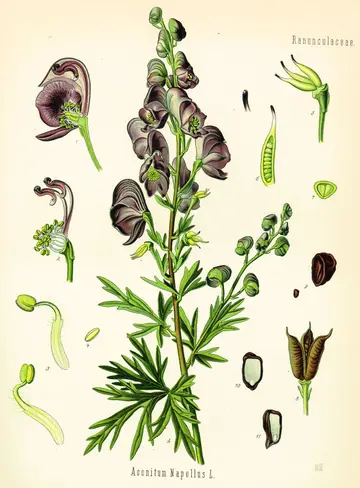
- Monkshood (Aconitum napellus): Same family and also very poisonous, but it flowers in summer with hooded, deep blue-purple flowers. Lenten rose has nodding, cup-shaped flowers in late winter. Compare side by side →
Questions
Is Lenten rose poisonous?
Yes. According to Wikipedia all parts are poisonous: the sap can irritate skin, and eating large amounts causes burning of the mouth and throat, vomiting, abdominal cramps and diarrhoea.
Lenten rose: when does it flower?
In winter and spring: February–April. Months are for temperate northern-hemisphere climates and shift with altitude and weather.
Lenten rose: how do you grow it?
Light: Shade or partial shade. Soil: Humus-rich soil. Temperature: Hardy to about −15 to −20 °C.
Lenten rose: what is its scientific name?
Helleborus orientalis Lam., in the genus Helleborus and the family Ranunculaceae.
Sources
- Wikipedia: Helleborus orientalis
- Plants of the World Online (Kew) · native range (WCVP)
- GBIF · classification
- Wikidata
Checked: 2026-11-24. Spotted a mistake? Tell us.