Description
Form
herbaceous, perennial
Height: 1–2.5 m
Flower colour
Yellow
Flowering
June–September
Leaves
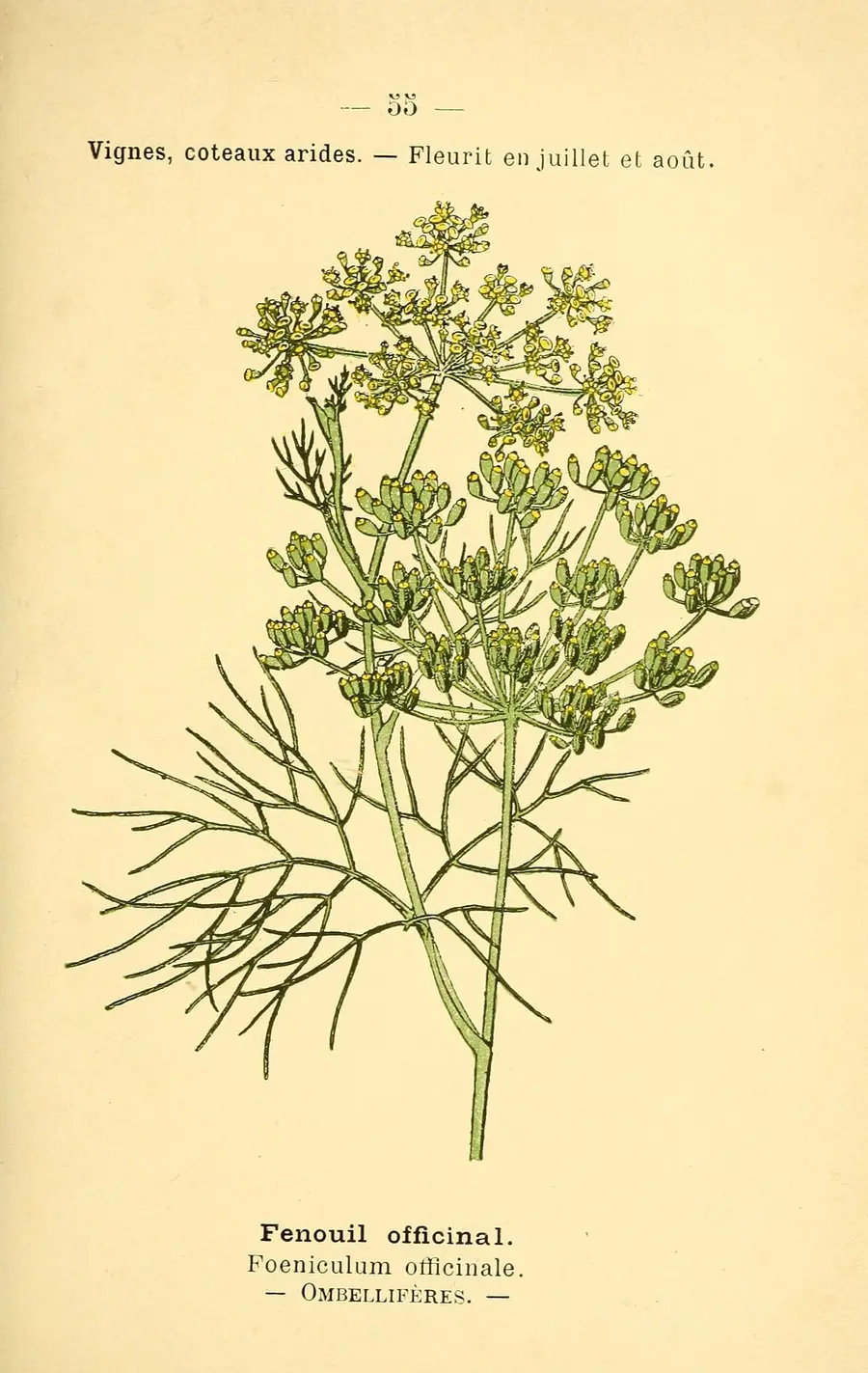
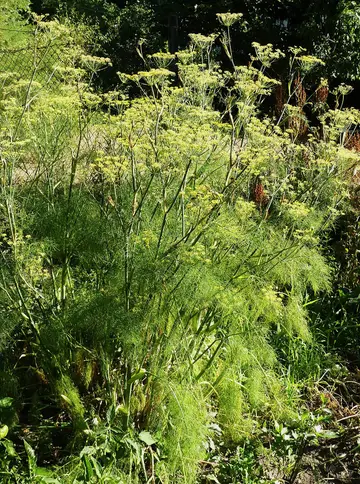
Hair-fine, much-divided, bluish-green leaves whose stalks sheathe the stem. They smell of aniseed when crushed.
Flowers
Small yellow flowers in broad, flat umbrella-shaped heads.
Fruit and seeds
Small, elongated, distinctly ribbed, fragrant dry fruits ("fennel seeds").
Classification
- KingdomPlantae
- PhylumTracheophyta
- ClassMagnoliopsida
- OrderApiales
- FamilyApiaceae
- GenusFoeniculum
- SpeciesFoeniculum vulgare
Native range
According to POWO it is native to the Mediterranean basin (southern Europe, North Africa, Türkiye, the Levant), the Arabian Peninsula, Ethiopia and from Iran to Central Asia, Pakistan and the Himalaya. It has spread to many temperate regions and become invasive in some.
Growing conditions
Light
Full sun.
Water
Drought tolerant.
Soil
Free-draining, limy soil.
Temperature
Tolerates light frost.
Self-seeds readily.
Culture and history
Marathon
The ancient Greek name for fennel is "marathon"; the plain of Marathon, which gave its name to the battle of 490 BC, is said to be named after the plant.
Toxicity
ASPCA lists fennel as non-toxic to cats, dogs and horses. The real danger is confusing it with highly poisonous plants of the carrot family that look like it. Never pick or eat wild plants unless you are certain of their identity. If poisoning is suspected, call your local poison centre (in Türkiye, 114).
In an emergency call your local poison centre; for pets, contact a vet straight away. See also: plants and pets.
Look-alikes
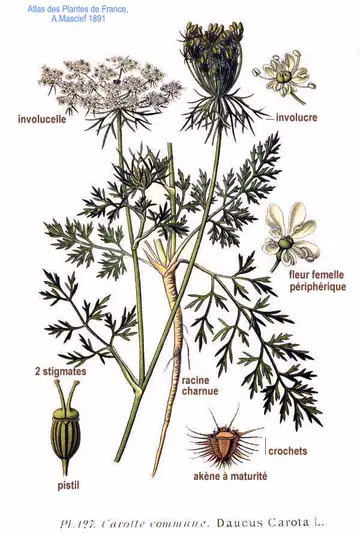
- Poison hemlock: Deadly poisonous. Its umbrella-shaped flower heads are white (fennel's are yellow), its stem is blotched purple, and it smells foul, like mouse urine, when crushed, not of aniseed. Compare side by side →
- Dill: Very similar leaves and yellow flower heads, but dill is annual, stays shorter and smells of dill, not aniseed. Compare side by side →
Questions
How do I tell fennel from dill?
Both have hair-fine leaves and yellow flower heads. Fennel is perennial, grows up to two metres and smells of aniseed; dill is annual and shorter.
Is there a poisonous plant that looks like fennel?
Yes. Some members of the carrot family, such as poison hemlock, are highly poisonous. Hemlock has white flowers and a purple-blotched stem. Never pick plants of the carrot family unless you are certain of their identity.
Fennel: when does it flower?
In summer and autumn: June–September. Months are for temperate northern-hemisphere climates and shift with altitude and weather.
Fennel: how do you grow it?
Light: Full sun. Water: Drought tolerant. Soil: Free-draining, limy soil. Temperature: Tolerates light frost. Self-seeds readily.
Fennel: what is its scientific name?
Foeniculum vulgare Mill., in the genus Foeniculum and the family Apiaceae.
Sources
- Wikipedia: Fennel
- World Flora Online
- Plants of the World Online (Kew) · native range (WCVP)
- GBIF · classification
- Wikidata
- ASPCA Animal Poison Control: Fennel (Foeniculum vulgare)
Checked: 2026-11-17. Spotted a mistake? Tell us.