
Description
Form
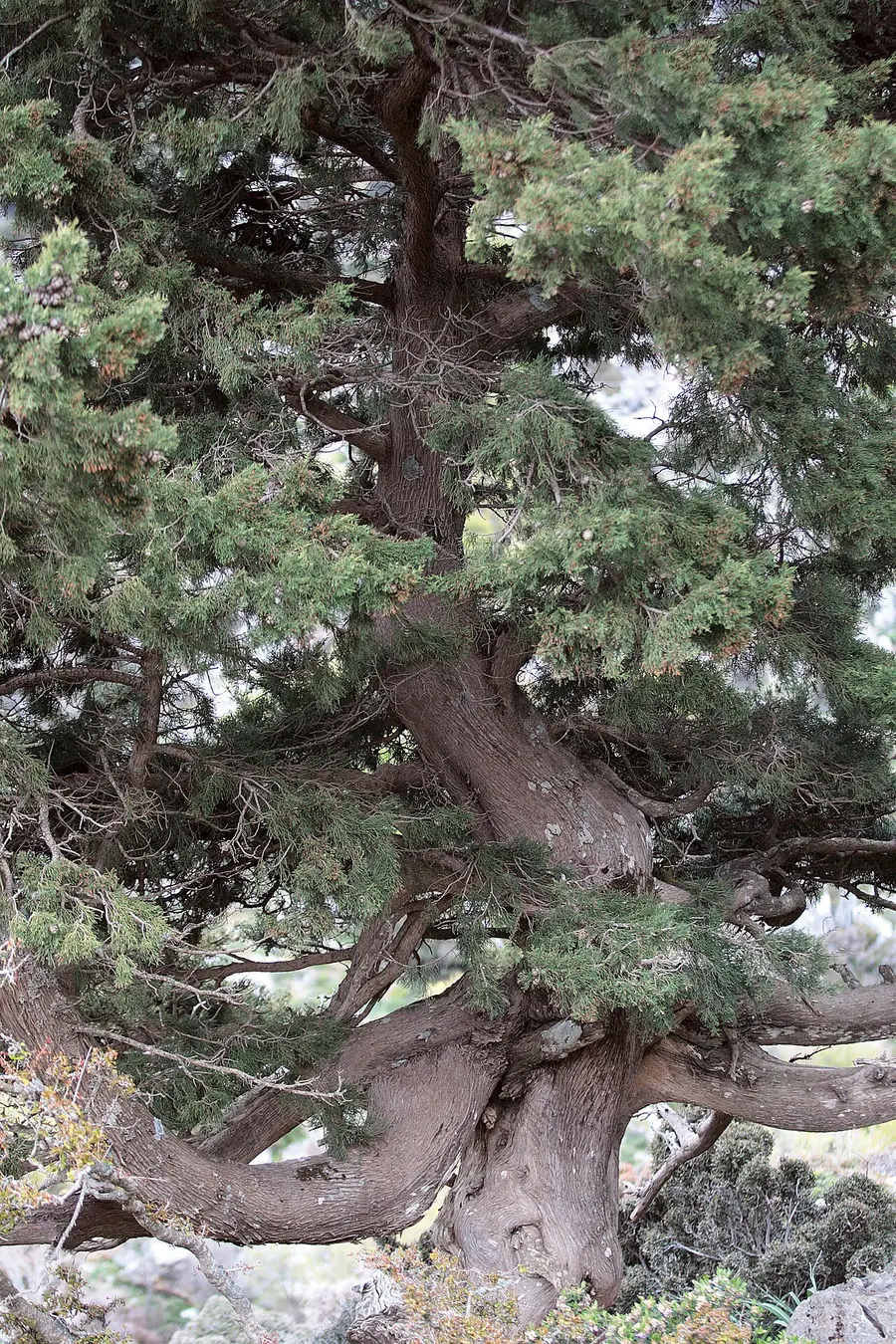
tree, perennial, evergreen
Height: 20–35 m
Flowering
No reliable data in the sources.
Leaves
Tiny, scale-like, dark green leaves pressed tightly against the shoots.
Flowers
Cypresses do not flower; male cones shed plenty of pollen in late winter.
Fruit and seeds
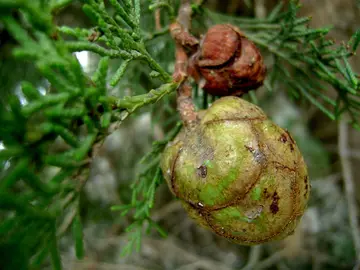
Round, woody cones 2–4 cm across with 10–14 shield-shaped scales, green at first, ripening greyish brown.

Classification
- KingdomPlantae
- PhylumTracheophyta
- ClassPinopsida
- OrderPinales
- FamilyCupressaceae
- GenusCupressus
- SpeciesCupressus sempervirens
Native range
According to POWO it is native to the eastern Mediterranean: Türkiye, Cyprus, Crete and the Aegean islands, Lebanon–Syria, Palestine, Libya and Iran. It has been taken to the western Mediterranean and around the world as an ornamental.
IUCN Red List status: Least concern (LC).
Culture and history
The cemetery tree
Because it stays green, the cypress is a symbol of eternity in Ottoman and Mediterranean cultures and is planted in cemeteries; Istanbul's old cemeteries are known for their cypress groves. In Ottoman poetry it is a metaphor for the beloved's slender figure.
Durable wood
Cypress wood is very resistant to rot and was used in antiquity for doors, chests and ships.
Look-alikes
- Leyland cypress (× Cuprocyparis leylandii): A fast-growing hybrid planted for hedges; its branches form flat sprays.
- Junipers (Juniperus): Their cones are fleshy and berry-like.
Questions
Why are cypresses planted in cemeteries?
Being evergreen, the cypress has long symbolised eternity in Mediterranean and Ottoman culture.
Mediterranean cypress: what is its scientific name?
Cupressus sempervirens L., in the genus Cupressus and the family Cupressaceae.
Sources
- Wikipedia: Cupressus sempervirens
- World Flora Online
- Plants of the World Online (Kew) · native range (WCVP)
- GBIF · classification
- Wikidata
Checked: 2026-11-16. Spotted a mistake? Tell us.