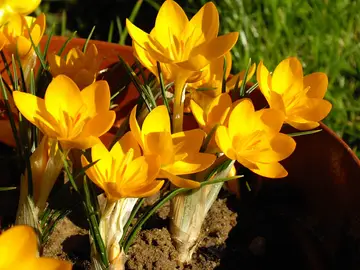
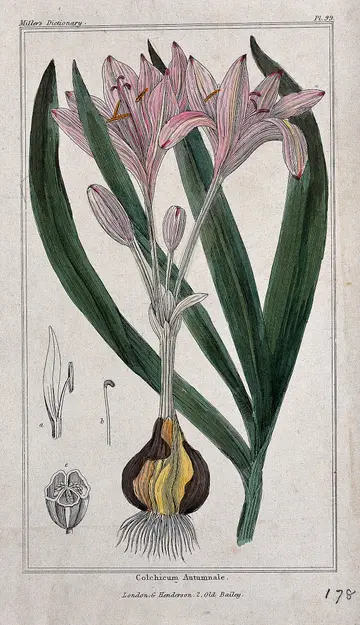
Description
Form
shrub or small tree, perennial, evergreen
Height: 1.5–6 m; occasionally 11 m
Flower colour
RedPinkWhite
Flowering
January–April
Habitat
Leaves
Alternate, leathery leaves 5–11 cm long, glossy dark green above and paler below, with very finely toothed edges and pointed tips.
Flowers
Red, pink or white flowers 6–10 cm across in late winter and spring; single with a boss of yellow stamens in the wild form, double and rose-like in cultivars. Faded flowers drop whole.
Fruit and seeds
A round capsule holding a few large, dark brown seeds.
Classification
- KingdomPlantae
- PhylumTracheophyta
- ClassMagnoliopsida
- OrderEricales
- FamilyTheaceae
- GenusCamellia
- SpeciesCamellia japonica
Native range
According to POWO it is native to north-central and south-eastern China, Japan, the Ryukyu Islands, Korea and Taiwan. According to Wikipedia it grows wild in forests at about 300–1,100 m.
IUCN Red List status: Least concern (LC).
Growing conditions
Light
Part shade; morning sun is good.
Water
Regular; keep the soil moist without waterlogging.
Soil
Acid, humus-rich, free-draining soil; leaves yellow on limy soil.
Temperature
Tolerates light frost; flower buds suffer in hard cold.
Watering with rain water helps.
Culture and history
From China to the world's gardens
According to Wikipedia camellia growing began in China; by the Song dynasty (10th–13th centuries) 15 camellia varieties were recorded in literature.
A relative of tea
Camellia belongs to the same genus as the tea plant (Camellia sinensis).
Toxicity
ASPCA lists the camellia (Camellia japonica) as non-toxic to cats, dogs and horses.
In an emergency call your local poison centre; for pets, contact a vet straight away. See also: plants and pets.
Look-alikes
- Tea plant: Same genus, but its leaves are thinner and matt, and its small white flowers open in autumn. Compare side by side →
- Southern magnolia: Also has glossy leathery leaves and large flowers, but it is a much larger tree and flowers in summer. Compare side by side →
- Damask rose (Rosa × damascena): Double camellias can look rose-like, but a rose is a prickly shrub with leaves of 5–7 toothed leaflets, flowering in May–June. Camellia has simple, glossy, leathery leaves and no prickles, flowers in late winter and spring, and drops each faded flower whole. Compare side by side →
Questions
Does camellia grow on limy soil?
Not well; it needs acid soil. On limy soil its leaves turn yellow.
Is camellia toxic to cats?
No. ASPCA lists the camellia as non-toxic to cats, dogs and horses.
Common camellia: when does it flower?
In winter and spring: January–April. Months are for temperate northern-hemisphere climates and shift with altitude and weather.
Common camellia: what is its scientific name?
Camellia japonica L., in the genus Camellia and the family Theaceae.
Sources
- Wikipedia: Camellia japonica
- ASPCA Animal Poison Control: Camellia
- World Flora Online
- Plants of the World Online (Kew) · native range (WCVP)
- GBIF · classification
- Wikidata
Checked: 2026-11-17. Spotted a mistake? Tell us.