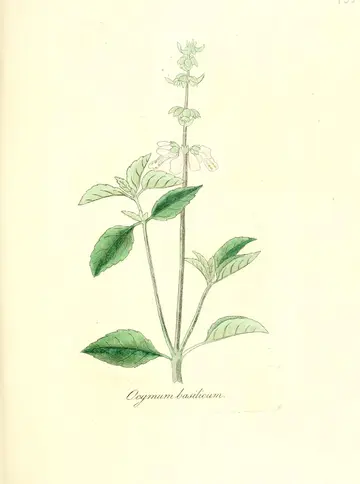
Description
Form
shrub, perennial, deciduous
Height: 30–100 cm; branches spread 1–2 m
Flower colour
WhitePink
Flowering
May–August
Habitat
Leaves
Alternate, round, fleshy leaves with a pair of curved spines at the base.
Flowers
Large (5–7 cm) flowers with four white or pinkish-white petals and a mass of long purple stamens; they open in the morning and fade towards noon.
Fruit and seeds
A long-stalked, fleshy, green, olive-shaped fruit holding many seeds.
Classification
- KingdomPlantae
- PhylumTracheophyta
- ClassMagnoliopsida
- OrderBrassicales
- FamilyCapparaceae
- GenusCapparis
- SpeciesCapparis spinosa
Native range
According to POWO it is native to the Mediterranean basin, Türkiye, the Caucasus, the Middle East, Central Asia, the western Himalaya, India and on to South-East Asia and the Pacific islands. According to Wikipedia the limits of the species are disputed and whether it is truly native to the Mediterranean is uncertain.
IUCN Red List status: Least concern (LC).
Growing conditions
Light
Full sun.
Water
Very little; very drought tolerant.
Soil
Stony, limy, free-draining soil; also grows in wall crevices.
Temperature
Likes heat; its top dies back in winter and regrows from the root.
Culture and history
Bud and fruit
The "capers" of the kitchen are the unopened flower buds; "caper berries" are the unripe fruits. Both are usually salted or pickled.
Look-alikes
- Capparis sicula and Capparis orientalis: According to Wikipedia some authors split the caper into several species, which hybridise readily.
Questions
Which part of the plant is a caper?
The unopened flower bud; if left, it opens into a large white-pink flower with long stamens.
Caper bush: when does it flower?
In spring and summer: May–August. Months are for temperate northern-hemisphere climates and shift with altitude and weather.
Caper bush: how do you grow it?
Light: Full sun. Water: Very little; very drought tolerant. Soil: Stony, limy, free-draining soil; also grows in wall crevices. Temperature: Likes heat; its top dies back in winter and regrows from the root.
Caper bush: what is its scientific name?
Capparis spinosa L., in the genus Capparis and the family Capparaceae.
Sources
- Wikipedia: Capparis spinosa
- World Flora Online
- Plants of the World Online (Kew) · native range (WCVP)
- GBIF · classification
- Wikidata
- Wikipedia
Checked: 2026-11-17. Spotted a mistake? Tell us.