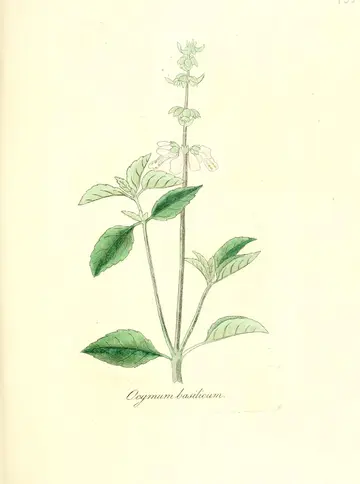
Description
Form
shrub, perennial, evergreen
Height: 1–2 m in a pot; up to 5 m in the wild
Flower colour
White
Flowering
No reliable data in the sources.
Habitat
Leaves
Opposite, glossy dark green, elliptic leaves with slightly wavy edges.
Flowers
White, five-parted, jasmine-scented flowers in clusters in the leaf axils, open for only a few days.
Fruit and seeds
Cherry-sized fruits, red or purple when ripe, each with two seeds (coffee beans) facing each other on their flat sides.
Classification
- KingdomPlantae
- PhylumTracheophyta
- ClassMagnoliopsida
- OrderGentianales
- FamilyRubiaceae
- GenusCoffea
- SpeciesCoffea arabica
Native range
According to POWO it is native to the mountain forests of southwestern Ethiopia, South Sudan (Boma Plateau) and Kenya (Mount Marsabit). The species arose from a natural cross between two wild coffees, Coffea canephora and Coffea eugenioides.
IUCN Red List status: Endangered (EN).
Care
Light
Bright, indirect light; shade from midday sun.
Water
Keep the soil lightly moist without waterlogging.
Soil
Slightly acid, humus-rich, free-draining soil.
Temperature
18–24 °C; not below 12 °C.
Likes humid air; leaf tips turn brown in dry air.
Culture and history
Turkish coffee
"Turkish coffee culture and tradition" was added to UNESCO's Representative List of the Intangible Cultural Heritage of Humanity in 2013.
Why is it endangered?
Wild Coffea arabica grows in Ethiopia's mountain forests; because of deforestation and climate change the IUCN assesses it as Endangered.
Toxicity
ASPCA lists coffee beans, grounds and caffeinated products as toxic to cats and dogs: the caffeine (methylxanthines) can cause vomiting, diarrhoea, excessive thirst, restlessness, abnormal heart rhythm, tremors and seizures.
In an emergency call your local poison centre; for pets, contact a vet straight away. See also: plants and pets.
Look-alikes
- Robusta coffee (Coffea canephora): One of arabica's parents; a hardier plant with bigger leaves and more caffeine.
Questions
Is a coffee bean a seed?
Yes. Coffee beans are the seeds inside the red fruits of the coffee plant, usually two per fruit.
Can you grow coffee as a houseplant?
Yes, with bright indirect light, humid air and regular watering; flowers and fruit take a few years.
Arabica coffee: is it toxic to cats and dogs?
Toxic to cats and dogs. Caffeine: toxic to cats and dogs.
Arabica coffee: what is its scientific name?
Coffea arabica L., in the genus Coffea and the family Rubiaceae.
Read more on OkButWhy
Sources
- Wikipedia: Coffea arabica
- World Flora Online
- Plants of the World Online (Kew) · native range (WCVP)
- GBIF · classification
- Wikidata
- ASPCA: Evcil hayvanlara verilmemesi gereken insan yiyecekleri
Checked: 2026-11-16. Spotted a mistake? Tell us.