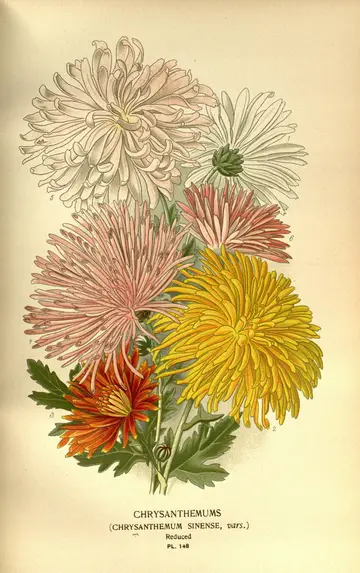
Description
Form
herbaceous, annual
Height: 30–150 cm
Flower colour
YellowOrangeRed
Flowering
June–July
Habitat
Leaves
Elongated, toothed leaves 10–15 cm long and 2.5–5 cm wide; the upper leaves around the flower head are short, stiff and spine-tipped.
Flowers
Flower heads 1.25–4 cm across at the branch tips, each with 20–180 yellow, orange or red florets.
Fruit and seeds
Seed-like dry fruits (achenes), 15–20 per head.
Classification
- KingdomPlantae
- PhylumTracheophyta
- ClassMagnoliopsida
- OrderAsterales
- FamilyAsteraceae
- GenusCarthamus
- SpeciesCarthamus tinctorius
Native range
POWO gives Iran and Türkiye as its native areas; it is grown and naturalised in many parts of the world. According to Wikipedia it is a plant of dry places with seasonal rain.
Growing conditions
Light
Full sun.
Water
Low; its deep taproot lets it cope with drought.
Culture and history
False saffron
Because its florets look like saffron, safflower is often confused with saffron in trade, which is why it is called false saffron.
Look-alikes
- Saffron crocus (Crocus sativus): Real saffron comes from the red stigmas of an autumn-flowering, purple crocus that grows from a corm. Safflower is a thistle-like herb with yellow-orange flower heads. Compare side by side →
Questions
Is safflower the same as saffron?
No. Saffron comes from the stigmas of a crocus (Crocus sativus); safflower is called false saffron only because its florets look similar.
Safflower: when does it flower?
In summer: June–July. Months are for temperate northern-hemisphere climates and shift with altitude and weather.
Safflower: how do you grow it?
Light: Full sun. Water: Low; its deep taproot lets it cope with drought.
Safflower: what is its scientific name?
Carthamus tinctorius L., in the genus Carthamus and the family Asteraceae.
Sources
- Wikipedia: Safflower
- World Flora Online
- Plants of the World Online (Kew) · native range (WCVP)
- GBIF · classification
- Wikidata
Checked: 2026-11-22. Spotted a mistake? Tell us.