Description
Form
tree, perennial, deciduous
Height: 10–20 m
Flower colour
Green
Flowering
April–May
Leaves
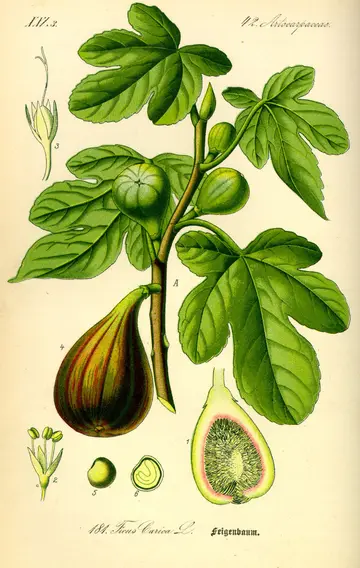
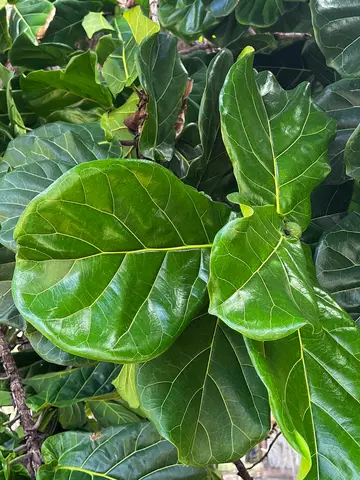
Glossy, egg- or heart-shaped, toothed leaves; whole and deeply lobed leaves can occur on the same tree.
Flowers
Inconspicuous, greenish, small spike-like clusters. The stamens of the male flowers spring open like a catapult and fling their pollen into the air.
Fruit and seeds
A compound fruit of many tiny fruits joined together, like a blackberry; white, pink or purple-black.
Classification
- KingdomPlantae
- PhylumTracheophyta
- ClassMagnoliopsida
- OrderRosales
- FamilyMoraceae
- GenusMorus
- SpeciesMorus alba
Native range
According to POWO it is native to northern and central China. It spread through Asia thousands of years ago for silk farming, then along the Silk Road to the Middle East and Europe, and is naturalised in many countries.
Growing conditions
Light
Full sun.
Water
Drought tolerant.
Soil
Not fussy.
Temperature
Tolerates cold and heat.
Fallen fruit stains paths and cars, so site the tree with care.
Culture and history
Silk
Silkworm caterpillars (Bombyx mori) feed only on mulberry leaves, so Bursa's centuries-old silk industry relied on large mulberry orchards.
The fastest movement in the plant kingdom
The stamens of white mulberry release like a catapult and fling pollen at about half the speed of sound, one of the fastest movements measured in plants.
Toxicity
ASPCA lists mulberries (Morus species) as non-toxic to cats, dogs and horses.
In an emergency call your local poison centre; for pets, contact a vet straight away. See also: plants and pets.
Look-alikes
- Black mulberry (Morus nigra): Its leaves are thicker, rough and hairy, and its fruit is always dark purple-black.
Questions
Why do silkworms need mulberry trees?
Silkworm caterpillars eat only mulberry leaves, so silk farming has always depended on mulberry orchards.
White mulberry: when does it flower?
In spring: April–May. Months are for temperate northern-hemisphere climates and shift with altitude and weather.
White mulberry: how do you grow it?
Light: Full sun. Water: Drought tolerant. Soil: Not fussy. Temperature: Tolerates cold and heat. Fallen fruit stains paths and cars, so site the tree with care.
White mulberry: is it toxic to cats and dogs?
Non-toxic to cats and dogs. Listed as non-toxic.
White mulberry: what is its scientific name?
Morus alba L., in the genus Morus and the family Moraceae.
Sources
- Wikipedia: Morus alba
- World Flora Online
- Plants of the World Online (Kew) · native range (WCVP)
- GBIF · classification
- Wikidata
- ASPCA Animal Poison Control: Mulberry Tree (Morus sp.)
Checked: 2026-11-16. Spotted a mistake? Tell us.