Description
Form
shrub, perennial, evergreen
Height: About 60 cm; flower stems rise about 30 cm above the leaves
Flower colour
PinkPurple
Flowering
No reliable data in the sources.
Habitat
Leaves
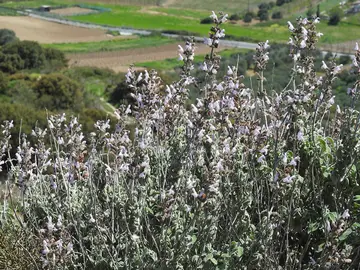
The whole plant is hairy. Leaves grow in clusters and are single in some places, deeply three-lobed in others, hence its old name Salvia triloba ("three-lobed sage").
Flowers
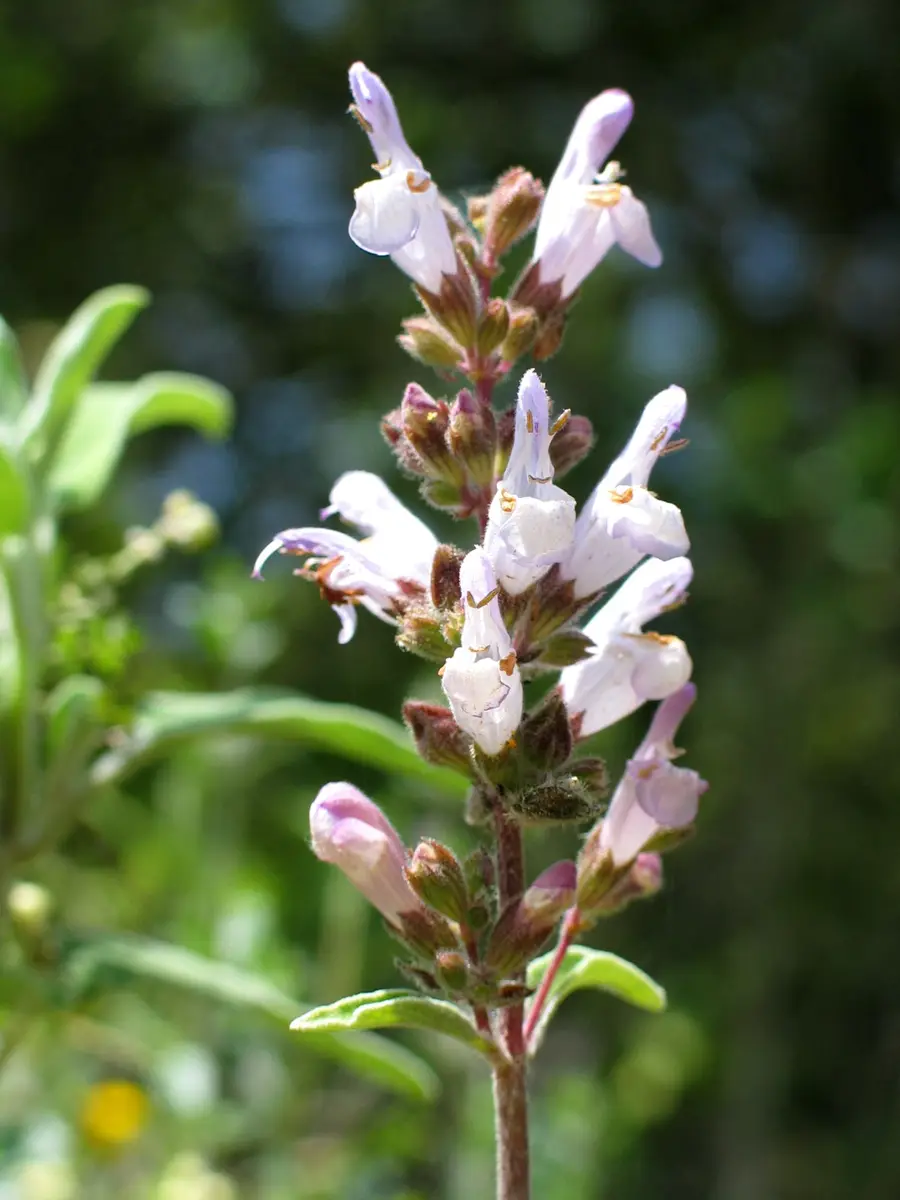
Pinkish-lilac flowers about 1.3 cm long in whorls along the flower stem, with small, hairy, dark reddish calyces.
Fruit and seeds
A tiny dry fruit that splits into four nutlets.
Classification
- KingdomPlantae
- PhylumTracheophyta
- ClassMagnoliopsida
- OrderLamiales
- FamilyLamiaceae
- GenusSalvia
- SpeciesSalvia fruticosa
Native range
According to POWO it is native to southern Italy, Sicily, Albania, Greece, Crete, the Aegean islands, Türkiye, Cyprus, Lebanon–Syria, Palestine and Libya.
Growing conditions
Light
Full sun.
Water
Little; drought tolerant.
Soil
Free-draining, stony soil.
Culture and history
A species with many names
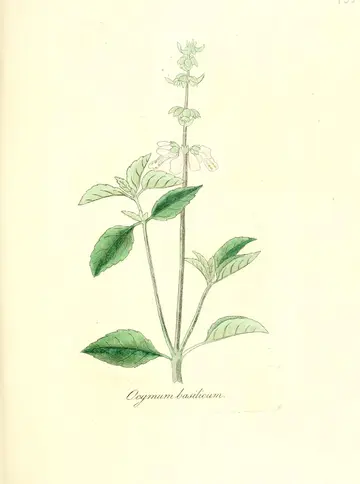
Because its leaves vary so much, it was described as Salvia triloba, S. libanotica, S. lobryana and S. cypria. Today all are treated as Salvia fruticosa.
A relative of rosemary
Rosemary was moved into the sage genus (Salvia) in 2017, so Greek sage and rosemary are now in the same genus.
Toxicity
ASPCA has no separate entry for this species. It lists its close relative common sage (Salvia officinalis) as non-toxic to cats, dogs and horses.
In an emergency call your local poison centre; for pets, contact a vet straight away. See also: plants and pets.
Look-alikes
- Common sage (Salvia officinalis): Its leaves are always single, never three-lobed, and its flowers are more purple-blue.
- Rosemary: A relative in the same genus with needle-like leaves. Compare side by side →
Questions
Where does Greek sage grow in Türkiye?
In the maquis and on rocky slopes of the coastal regions; POWO includes both Anatolia and Thrace in its native range.
Greek sage: what is its scientific name?
Salvia fruticosa Mill., in the genus Salvia and the family Lamiaceae.
Sources
- Wikipedia: Salvia fruticosa
- World Flora Online
- Plants of the World Online (Kew) · native range (WCVP)
- GBIF · classification
- Wikidata
- ASPCA Animal Poison Control: Sage
Checked: 2026-11-16. Spotted a mistake? Tell us.