Description
Form
shrub or small tree, perennial
Height: 1–2 m according to Wikipedia; up to 12 m according to the Turkish Wikipedia
Flowering
No reliable data in the sources.
Leaves
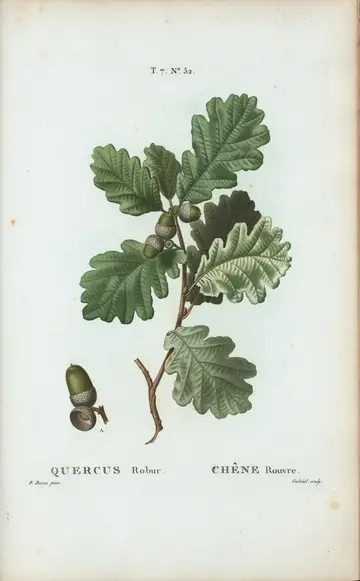
Short-stalked, stiff, glossy green leaves with triangular to rounded, coarsely toothed lobes.
Classification
- KingdomPlantae
- PhylumTracheophyta
- ClassMagnoliopsida
- OrderFagales
- FamilyFagaceae
- GenusQuercus
- SpeciesQuercus infectoria
Native range
According to POWO it is native to Greece, the East Aegean Islands, Cyprus, Türkiye, Lebanon-Syria, Palestine, Iraq, Iran and the Caucasus.
IUCN Red List status: Least concern (LC).
Culture and history
Oak galls
According to Wikipedia, when gall wasps lay their eggs in the young branches, the tree forms hard, corrugated balls. These galls contain about 50–70% tannin, the highest natural level known, and were used for tanning leather and making black dye and ink.
Toxicity
ASPCA lists oaks (Quercus species) as toxic to horses; the entry covers the whole genus. The toxic principle is gallotannin; signs are abdominal pain, constipation followed by diarrhoea, discoloured urine and jaundice, and acorns can block the digestive tract.
In an emergency call your local poison centre; for pets, contact a vet straight away. See also: plants and pets.
Questions
What are oak galls?
According to Wikipedia they are hard, round growths that form on the young branches of the Aleppo oak when gall wasps lay their eggs there. Their very high tannin content made them valuable for tanning leather and making ink.
Aleppo oak: what is its scientific name?
Quercus infectoria G.Olivier, in the genus Quercus and the family Fagaceae.
Sources
- Wikipedia: Quercus infectoria
- ASPCA Animal Poison Control: Oak (Quercus species)
- Plants of the World Online (Kew) · native range (WCVP)
- GBIF · classification
- Wikidata
Checked: 2026-11-24. Spotted a mistake? Tell us.