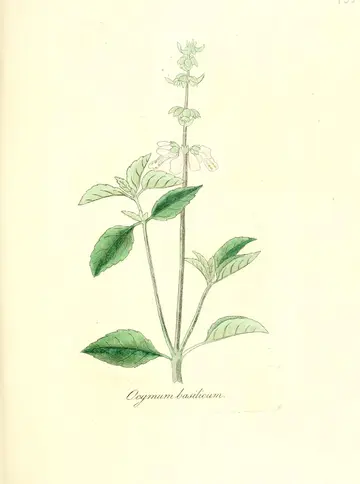
Description
Form
herb, perennial
Height: Up to 1 m
Flower colour
Yellow
Flowering
June–August
Habitat
Leaves
Grey-green, sage-like, textured leaves, arrow-shaped and pointing downwards.
Flowers
Whorls of soft yellow, hooded flowers at regular intervals up the stems, giving a tiered look.
Fruit and seeds
Small seeds ripening inside the dried flower clusters, which stay standing all winter.
Classification
- KingdomPlantae
- PhylumTracheophyta
- ClassMagnoliopsida
- OrderLamiales
- FamilyLamiaceae
- GenusPhlomis
- SpeciesPhlomis russeliana
Native range
According to POWO it is native only to Türkiye. English Wikipedia also gives Syria; the sources differ on this point.
Growing conditions
Light
Full sun.
Water
Moderate; likes moist soil.
Soil
Moist, well-drained soil.
Temperature
Hardy to about −20 °C.
Leave the dried flower tiers for winter interest; it seeds itself in spring.
Culture and history
In gardens
It holds the RHS Award of Garden Merit and is often sold under the wrong name Phlomis viscosa.
Look-alikes
- Phlomis samia: A very close relative, often confused with it.
- Jerusalem sage (Phlomis fruticosa): Has similar yellow flower whorls but is a woody, evergreen shrub.
Questions
Is Turkish sage endemic to Türkiye?
POWO gives Türkiye as its only native area; English Wikipedia adds Syria.
Turkish sage: when does it flower?
In summer: June–August. Months are for temperate northern-hemisphere climates and shift with altitude and weather.
Turkish sage: how do you grow it?
Light: Full sun. Water: Moderate; likes moist soil. Soil: Moist, well-drained soil. Temperature: Hardy to about −20 °C. Leave the dried flower tiers for winter interest; it seeds itself in spring.
Turkish sage: what is its scientific name?
Phlomis russeliana (Sims) Lag. ex Benth., in the genus Phlomis and the family Lamiaceae.
Sources
- Wikipedia: Phlomis russeliana
- World Flora Online
- Plants of the World Online (Kew) · native range (WCVP)
- GBIF · classification
- Wikidata
Checked: 2026-11-16. Spotted a mistake? Tell us.