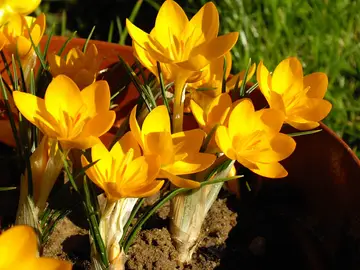
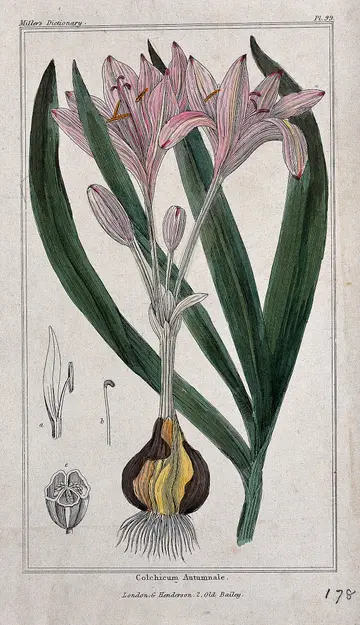
Description
Form
shrub, perennial
Height: Usually about 2 m; up to 6 m when scrambling into trees
Flowering
No reliable data in the sources.
Habitat
Leaves
Broadly egg-shaped, opposite, simple leaves with a strong smell when crushed.
Flowers
Small, tubular, four-petalled flowers in clusters at the stem tips, with a tutti-frutti scent and a peppery undertone.
Fruit and seeds
Small berries; the green unripe fruits are inedible to people and animals. One plant can produce up to 12,000 fruits.
Classification
- KingdomPlantae
- PhylumTracheophyta
- ClassMagnoliopsida
- OrderLamiales
- FamilyVerbenaceae
- GenusLantana
- SpeciesLantana camara
Native range
According to POWO it is native to tropical America, from Mexico through Central America and the Caribbean to northern South America. According to Wikipedia it has spread to around 50 countries, where it is invasive.
Culture and history
An invasive ornamental
According to Wikipedia it has become invasive in around 50 countries outside its native range, forming dense thickets; it spreads both by seed and vegetatively.
Toxicity
ASPCA lists lantana as toxic to cats, dogs and horses. The toxic principles are pentacyclic triterpenoids; signs are vomiting, diarrhoea, laboured breathing and weakness, with liver failure more common in livestock. Wikipedia notes that the green unripe fruits are inedible to people and animals.
In an emergency call your local poison centre; for pets, contact a vet straight away. See also: plants and pets.
Questions
Is lantana toxic to cats and dogs?
Yes. ASPCA lists lantana as toxic to cats, dogs and horses; signs include vomiting, diarrhoea, laboured breathing and weakness.
Lantana: what is its scientific name?
Lantana camara L., in the genus Lantana and the family Verbenaceae.
Sources
- Wikipedia: Lantana camara
- ASPCA Animal Poison Control: Lantana
- World Flora Online
- Plants of the World Online (Kew) · native range (WCVP)
- GBIF · classification
- Wikidata
Checked: 2026-11-22. Spotted a mistake? Tell us.