Telling them apart
Onion vs Bunch-flowered narcissus
Onion (Allium cepa) and Bunch-flowered narcissus (Narcissus tazetta) look similar enough to be confused. Both belong to the same family, Amaryllidaceae (amaryllis family).
CautionBunch-flowered narcissus is poisonous to people. Never pick or eat a wild plant unless you are certain of its identity. If poisoning is suspected, call your local poison centre or emergency number.
How to tell them apart
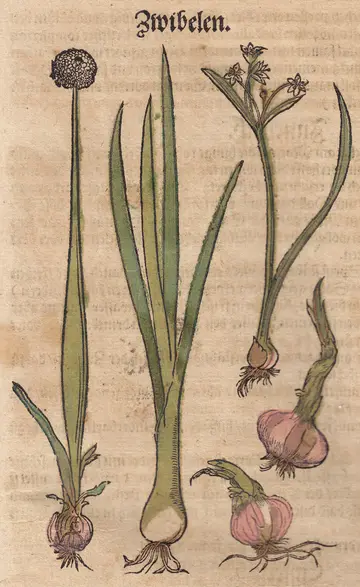
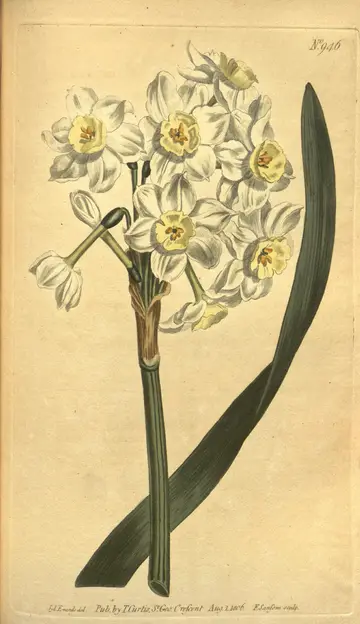
- Onion: Narcissus bulbs and leaves can be mistaken for onions and cause poisoning. A cut onion smells of onion; a narcissus does not.
Side by side
| Onion | Bunch-flowered narcissus | |
|---|---|---|
| Scientific name | Allium cepa | Narcissus tazetta |
| Family | Amaryllidaceae (amaryllis family) | Amaryllidaceae (amaryllis family) |
| Form | herbaceous, biennial | herbaceous, perennial |
| Height | Leaves 30–50 cm; flower stalk up to 1 m | Up to 80 cm |
| Flower colour | White | White, Yellow |
| Origin | Central Asia | Mediterranean to Iran and Central Asia |
| Toxicity | Cats: toxic · Dogs: toxic | People: toxic · Cats: toxic · Dogs: toxic |
| Flowering | — | |
| Leaves | Tubular, hollow, bluish-green leaves. | Narrow, flat, strap-shaped leaves up to 40 cm long and 1.5 cm wide, rising from the bulb. |
| Flowers | In the second year, a tall hollow stalk carries a ball-shaped umbel of hundreds of small white-greenish flowers. | Up to 8 flowers in an umbel on each stalk, with six white tepals and a short yellow cup (corona). Very fragrant; one compound in the scent is barely detectable to people but easily noticed by honeybees. |
| Fruit and seeds | A small capsule with black seeds. | A three-chambered capsule. |
All pairs: look-alike plants · Full pages: Onion, Bunch-flowered narcissus